Sunderfolk logo

Sunderfolk press kit preview

What is Sunderfolk

Sunderfolk is a couch co-op tactical RPG inspired by game nights. Up to four players join using their phones as controllers, with mouse and keyboard support also available, and only one copy of the game is needed for the whole group.

Summarized Contribution

  • Led design of 10 levels/missions from paper concept and blockout through ship, anchoring each mission on a distinct feature (puzzle, combat, exploration) that rewards co-op strategy.
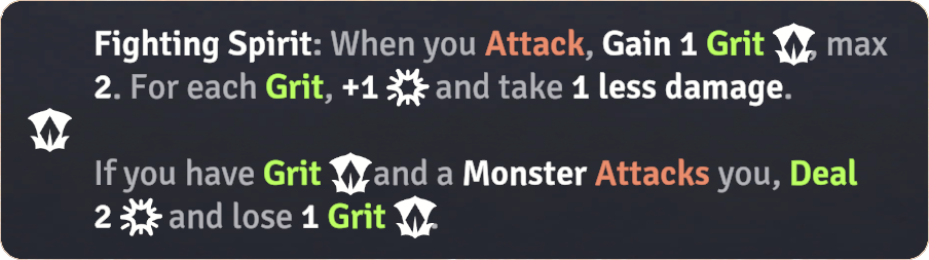
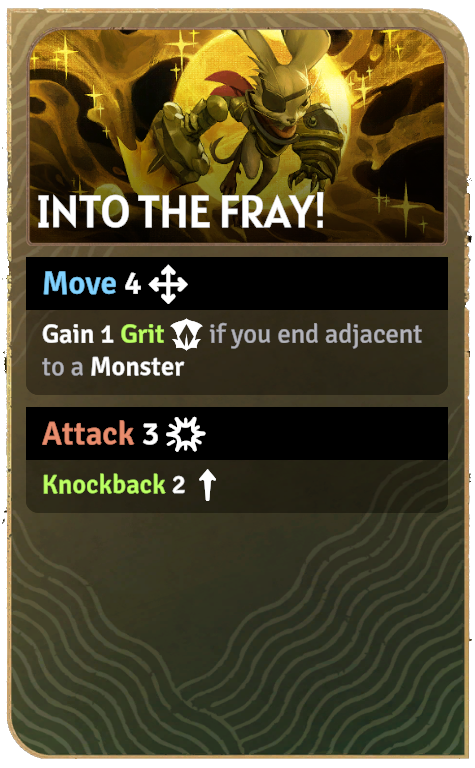
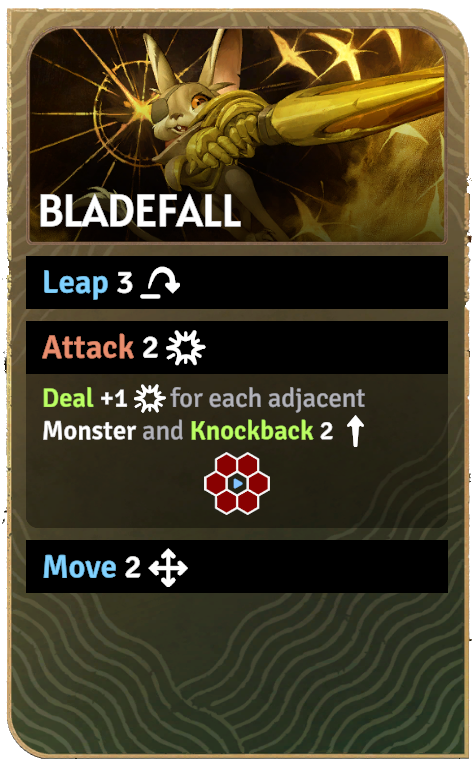
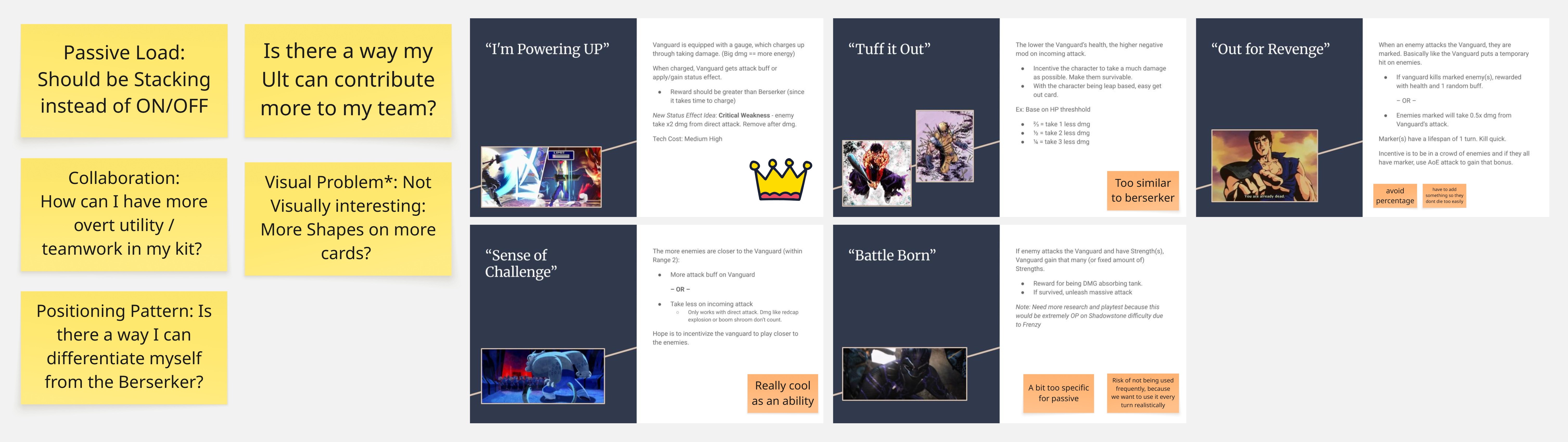
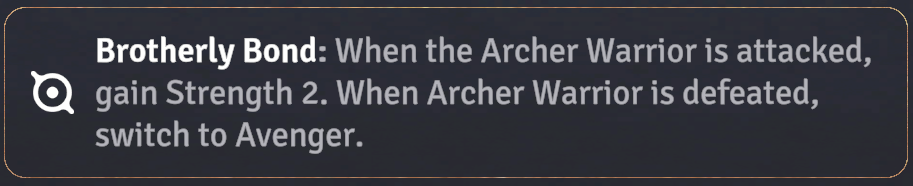
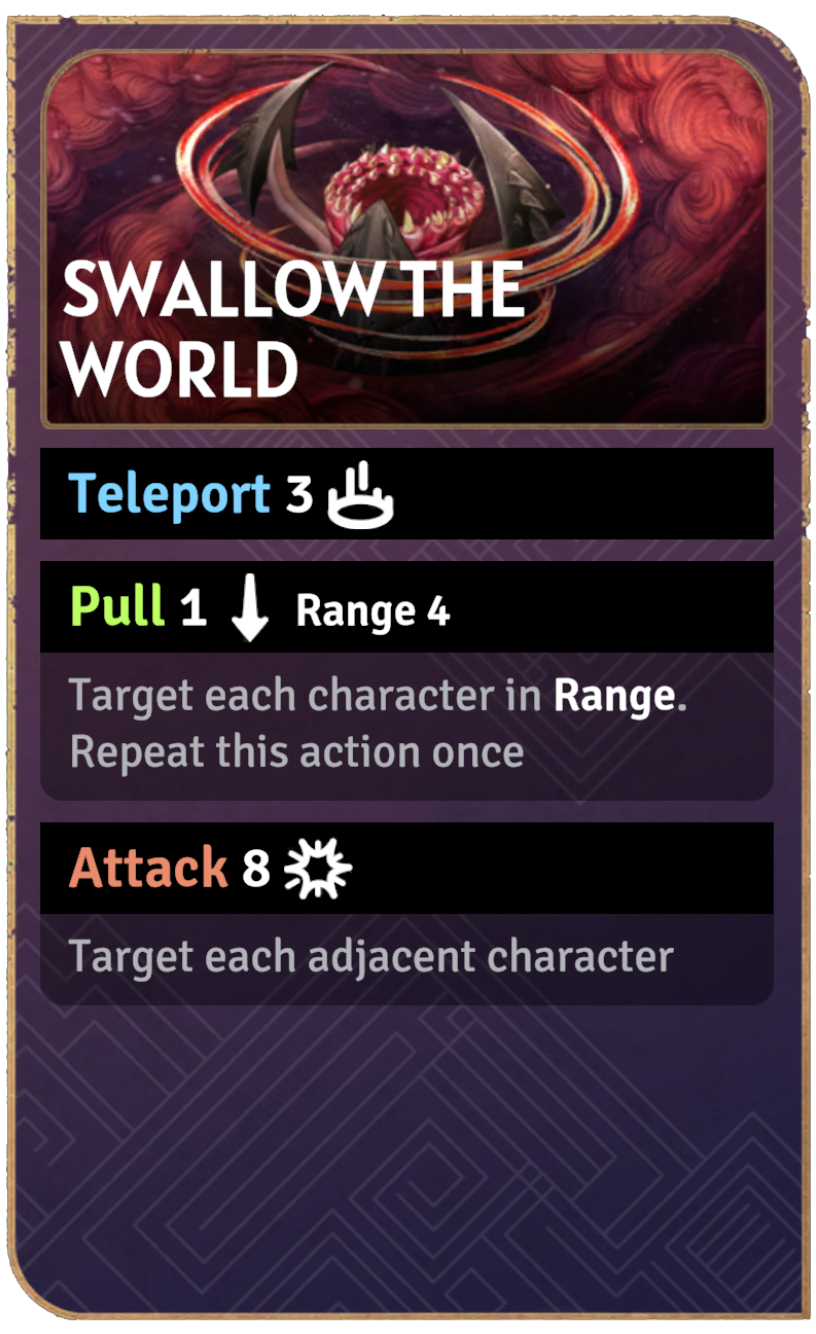
  • Owned 10 characters from concept through implementation and ship (1 playable hero, 4 bosses, 5 enemies), turning each character's fantasy into a distinct ability kit, passive, and AI behavior.
  • Co-led creative direction and implementation of 30+ cinematics, streamlining handoffs between Narrative, Art, and Animation to hit tight deadlines without compromising story quality.
  • Balanced the hero against the full enemy roster, tuning power, counterplay, and difficulty so co-op encounters stayed fair, readable, and engaging.
  • Designed for first-time tabletop players, shaping mission flow, pacing, and narrative for accessibility while preserving depth for repeat play.
  • Ran 3+ internal playtests weekly, turning feedback and edge cases into concrete design changes.
COMBAT DESIGN

ENCOUNTER & QUEST DESIGN

Tavern Trouble (Tutorial)

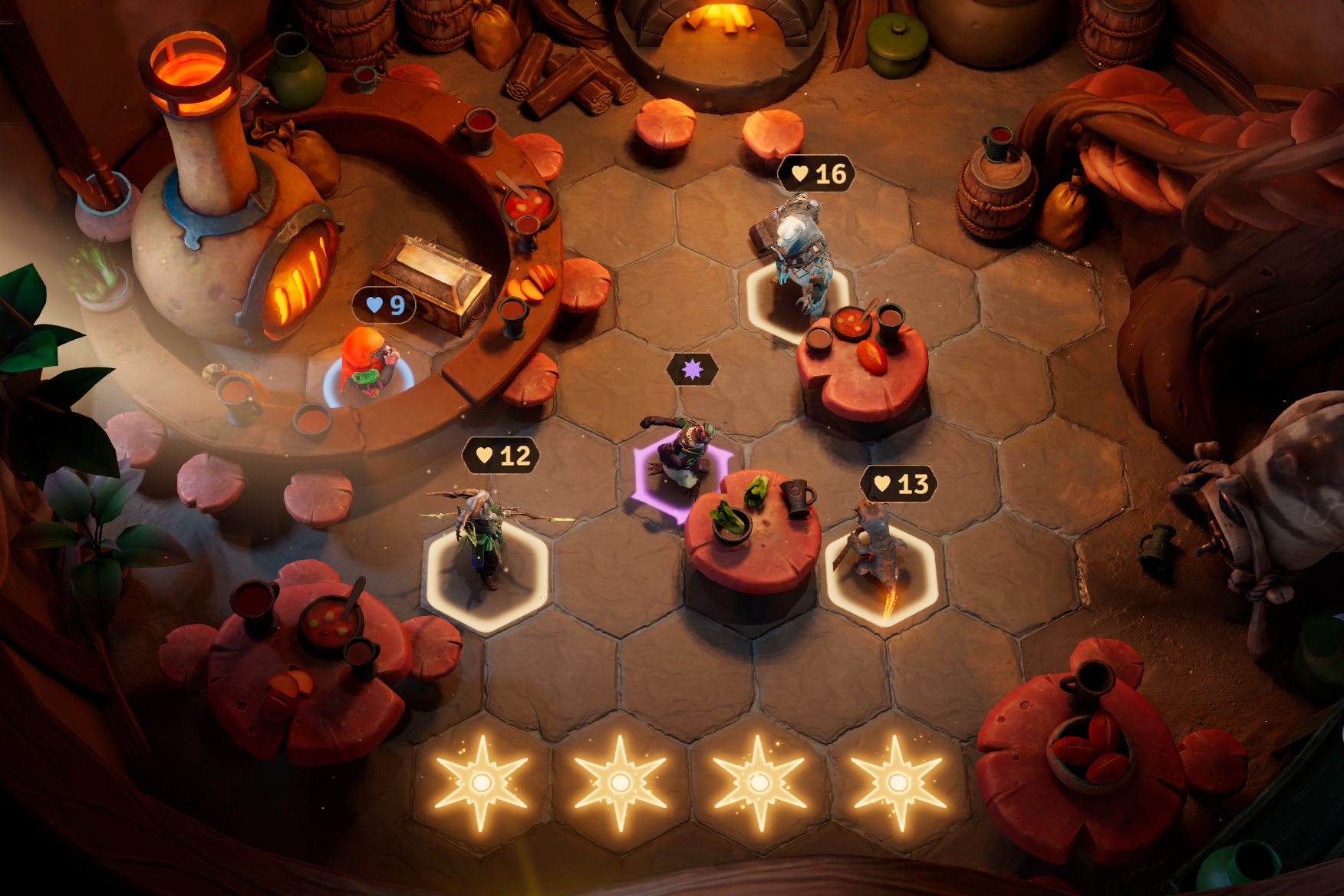
This tutorial teaches the game's basic controls, how your phone becomes your controller, and your role in the Sunderlands.

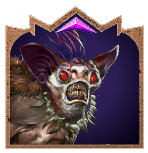
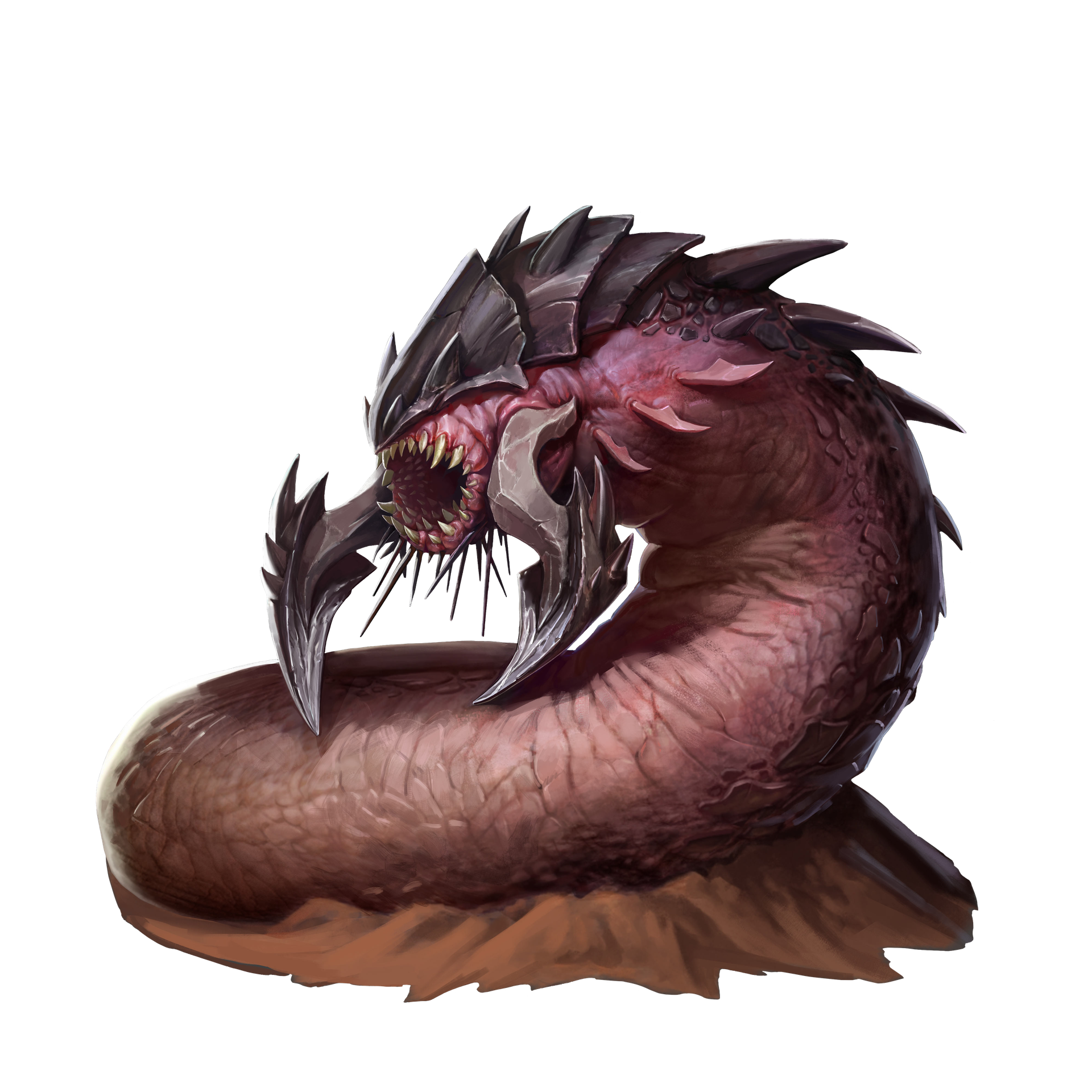
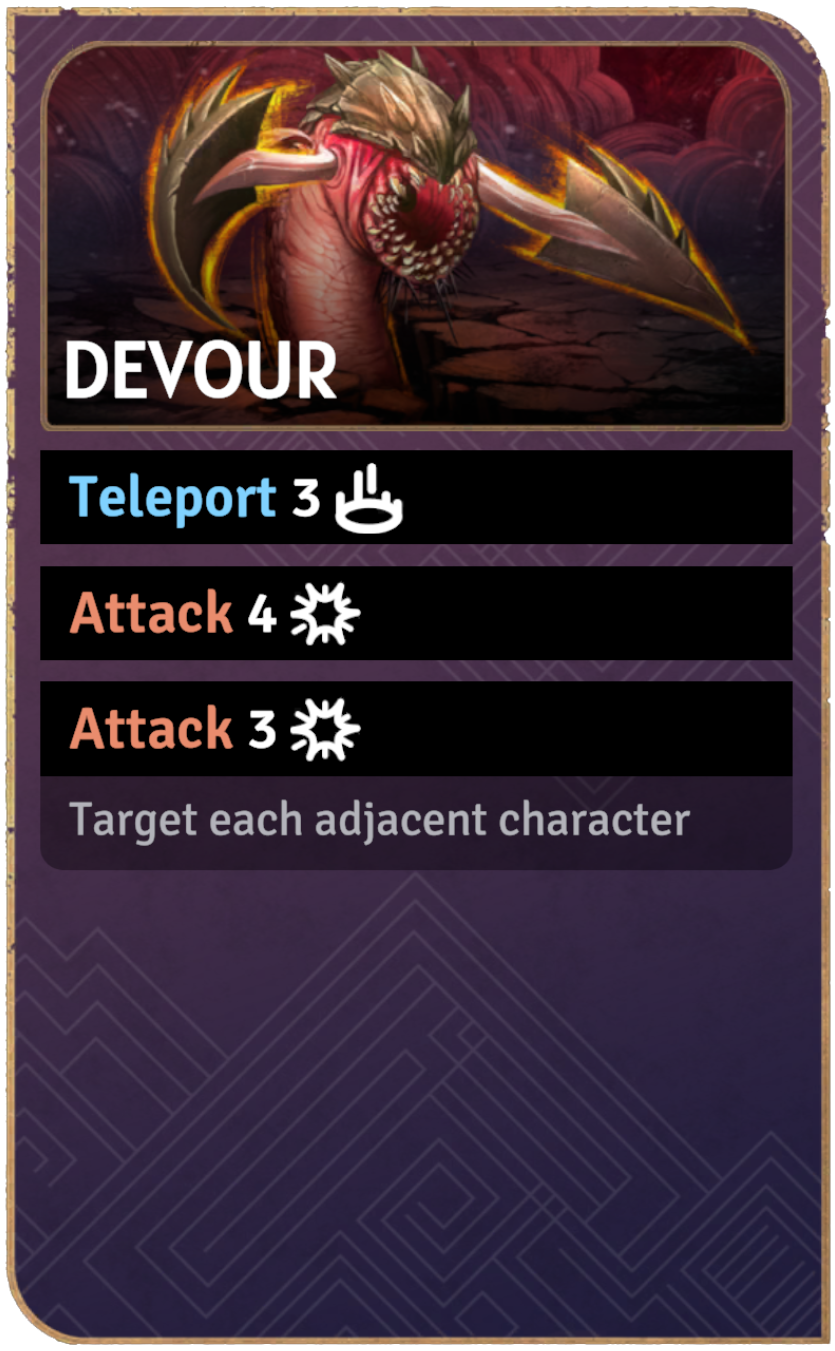
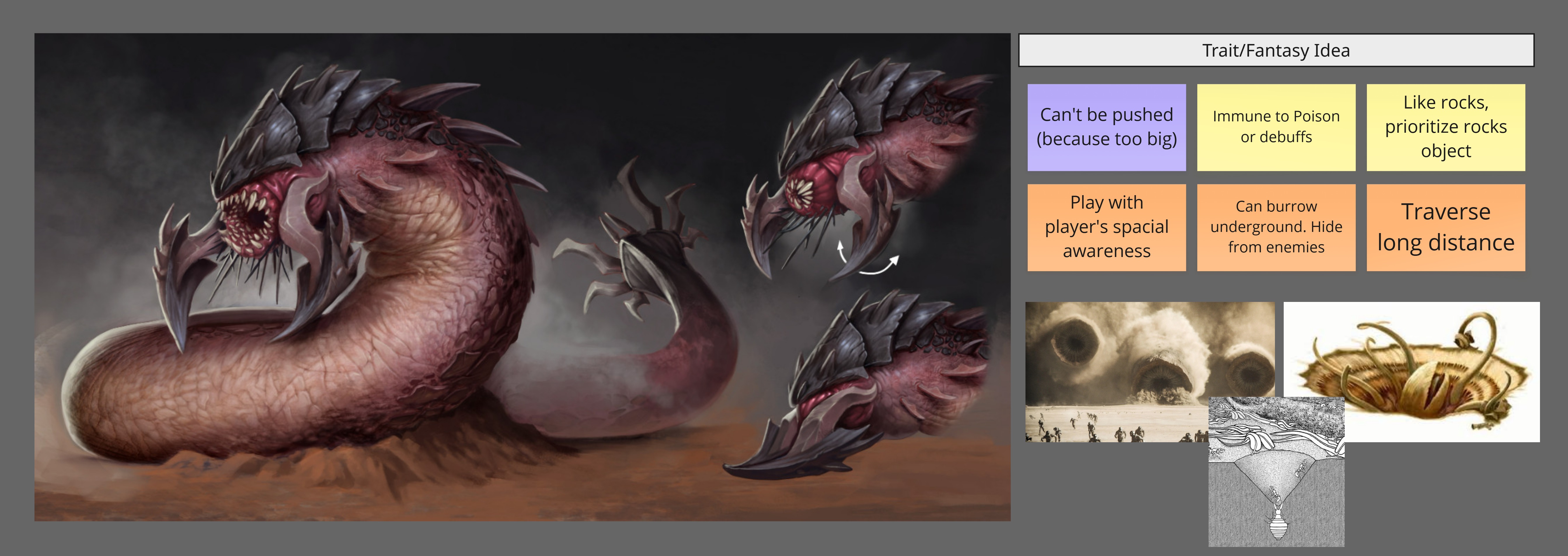
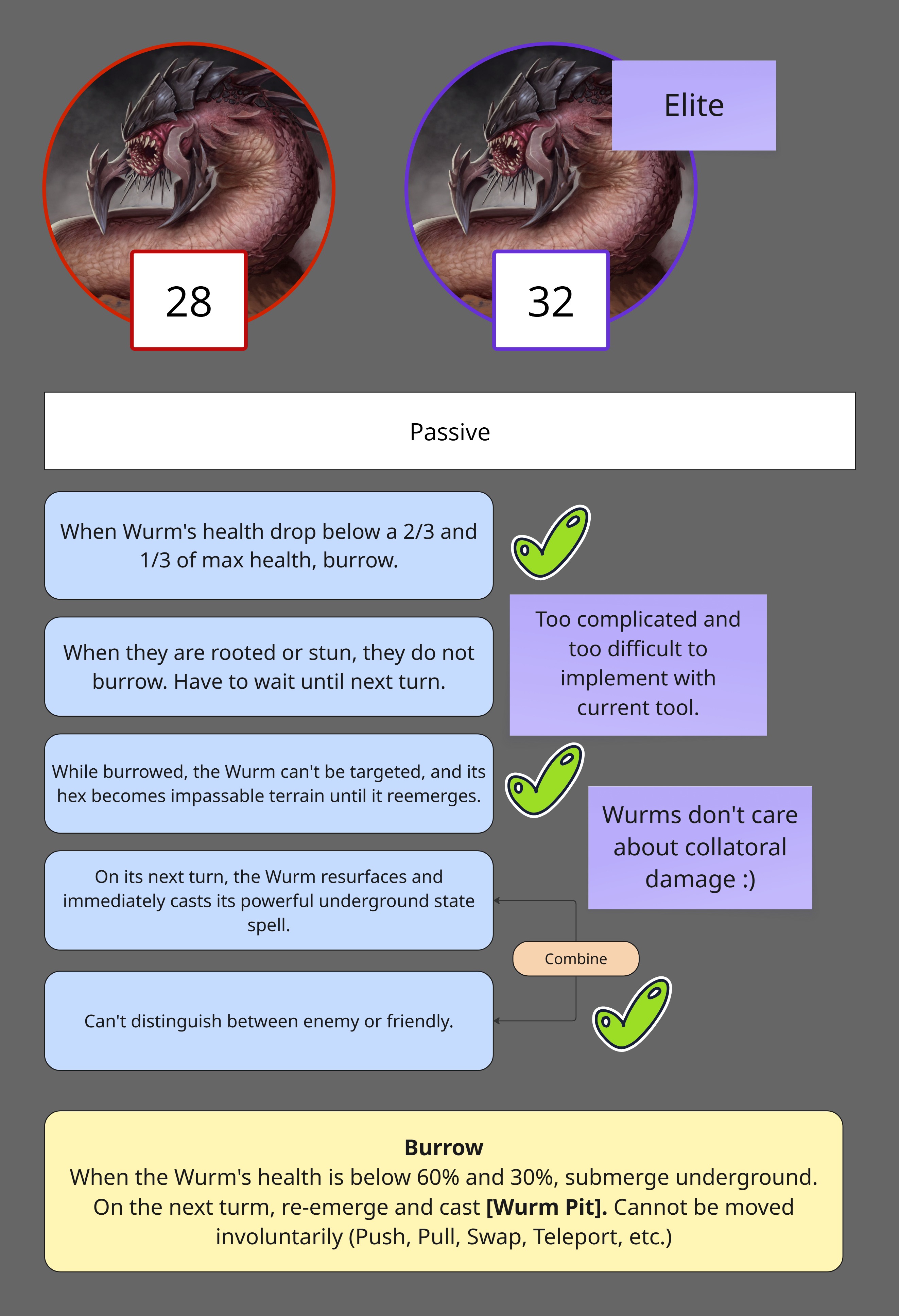
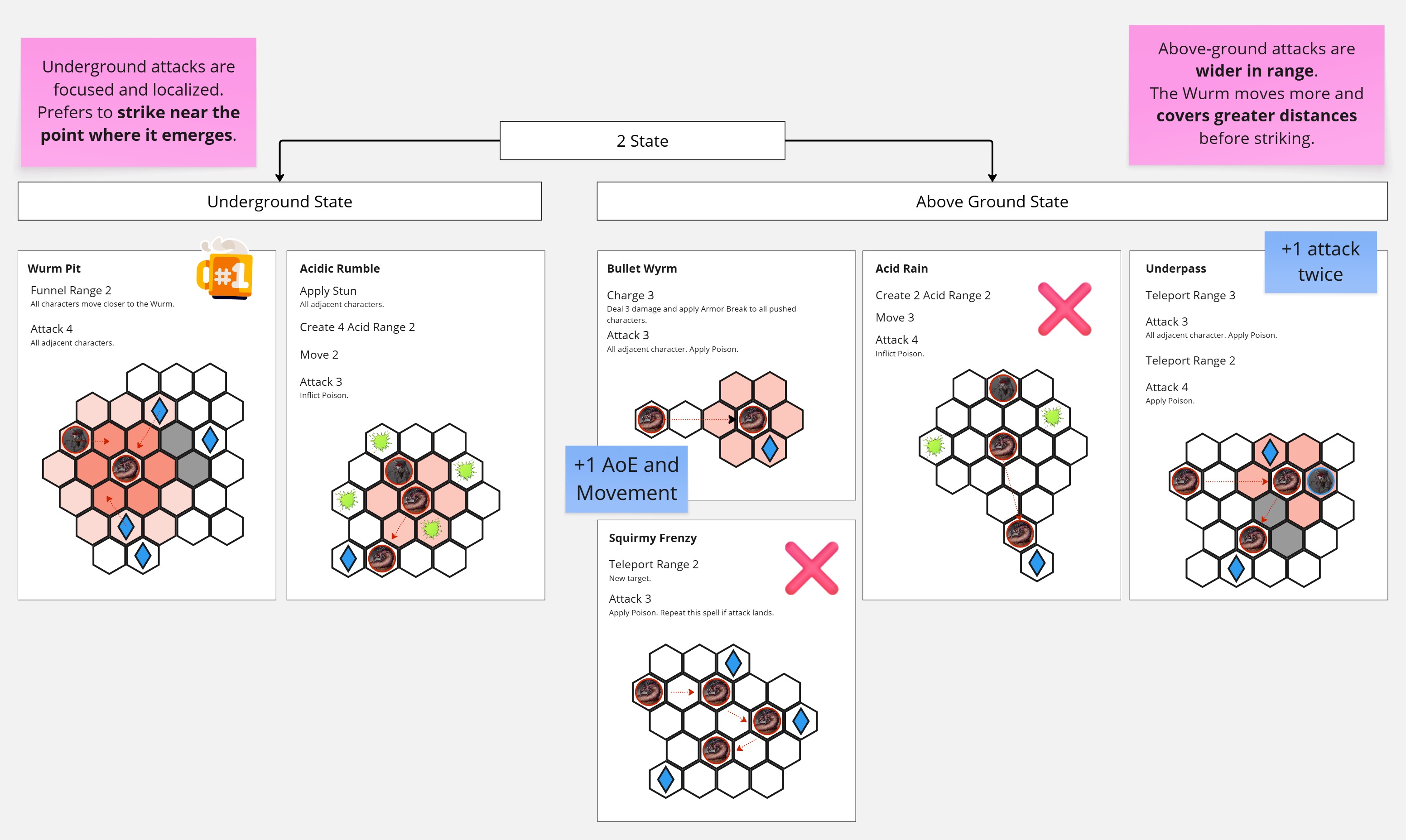
Help the Sacred Bug reclaim their throne from the Ancient Wurm, the game's first multi-hex boss, in the new DLC!

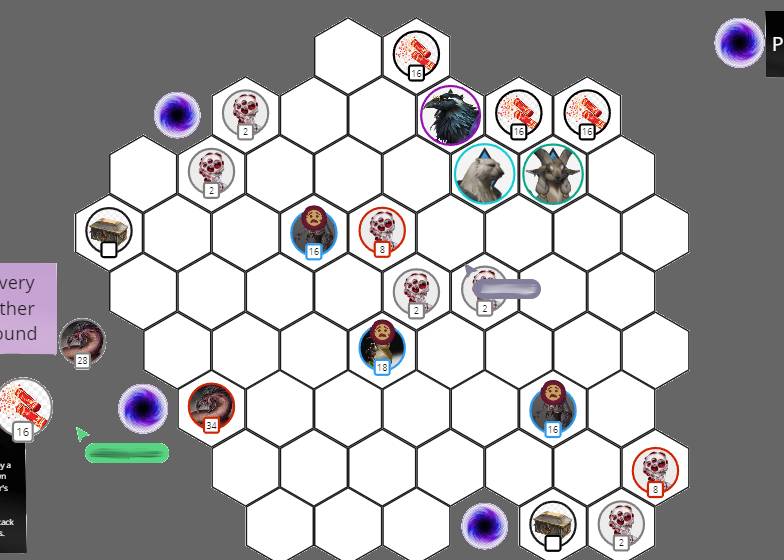
Face the Wurm, Sunderfolk's toughest enemy, as rockfalls reshape the board into a maze, demanding new tactics every round.

Take down the Brightstone lamp in the game's most dangerous encounter, facing some of its strongest enemies.
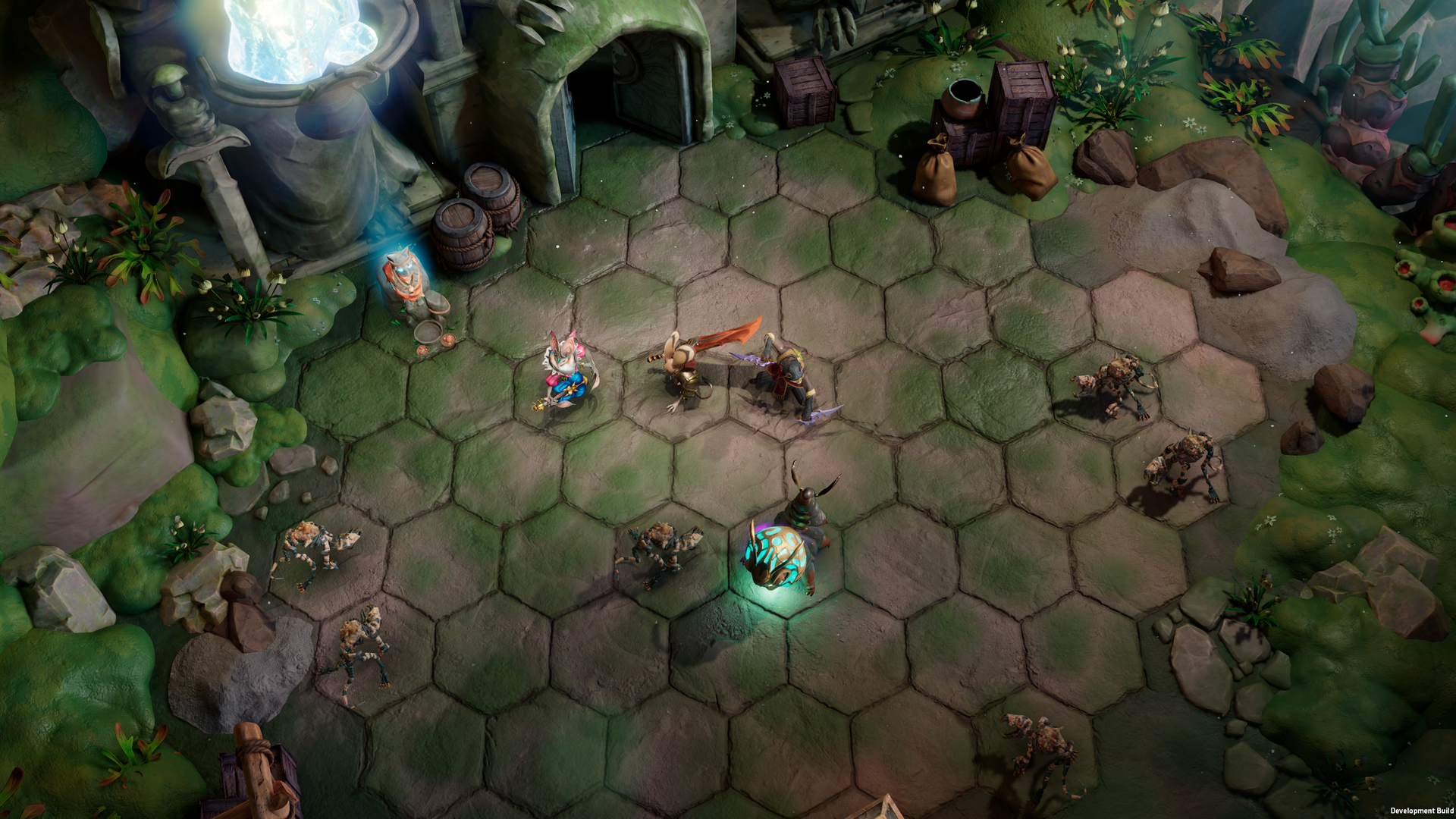
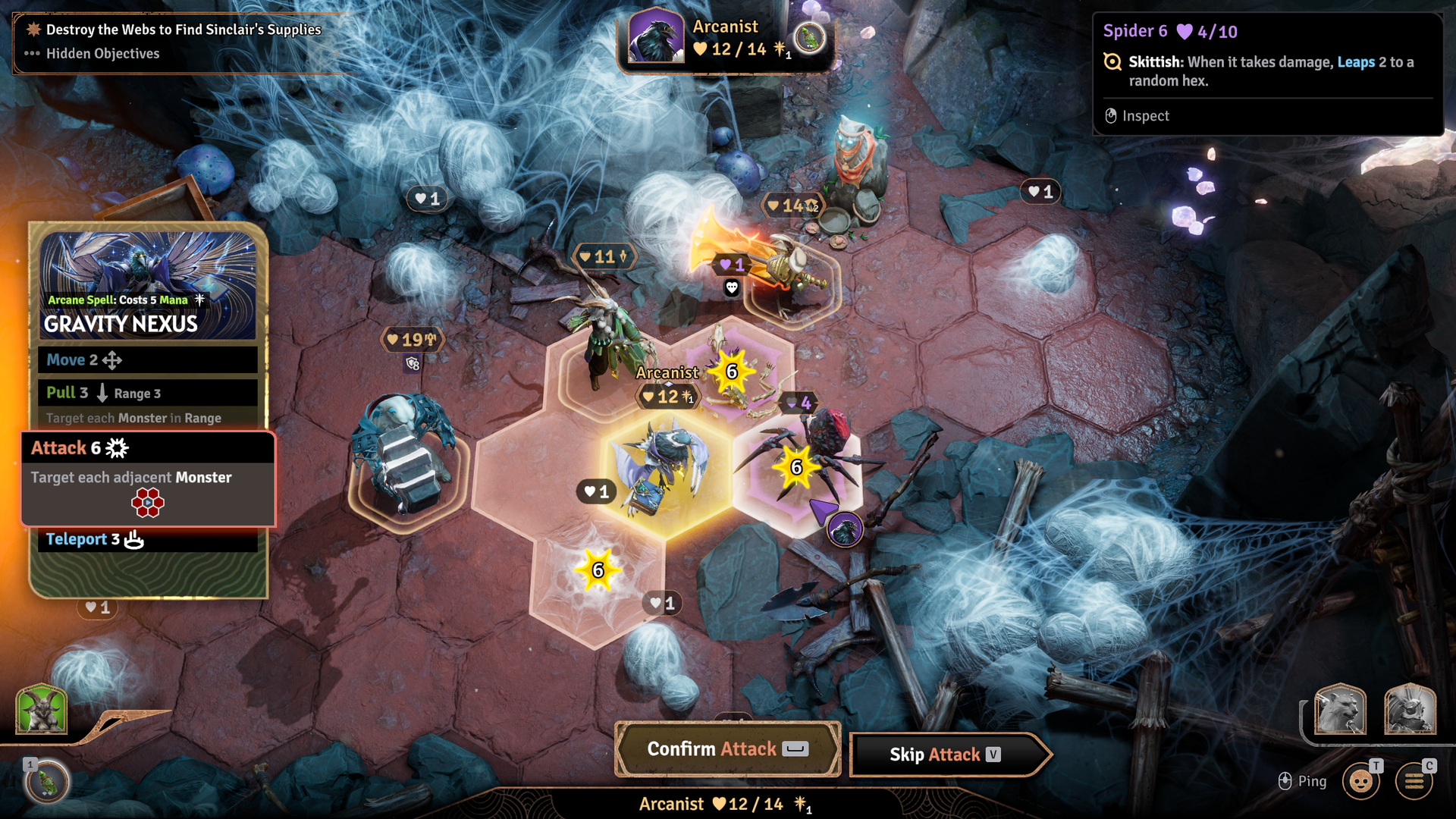
Tavern Trouble screenshot
DESIGN PROCESS
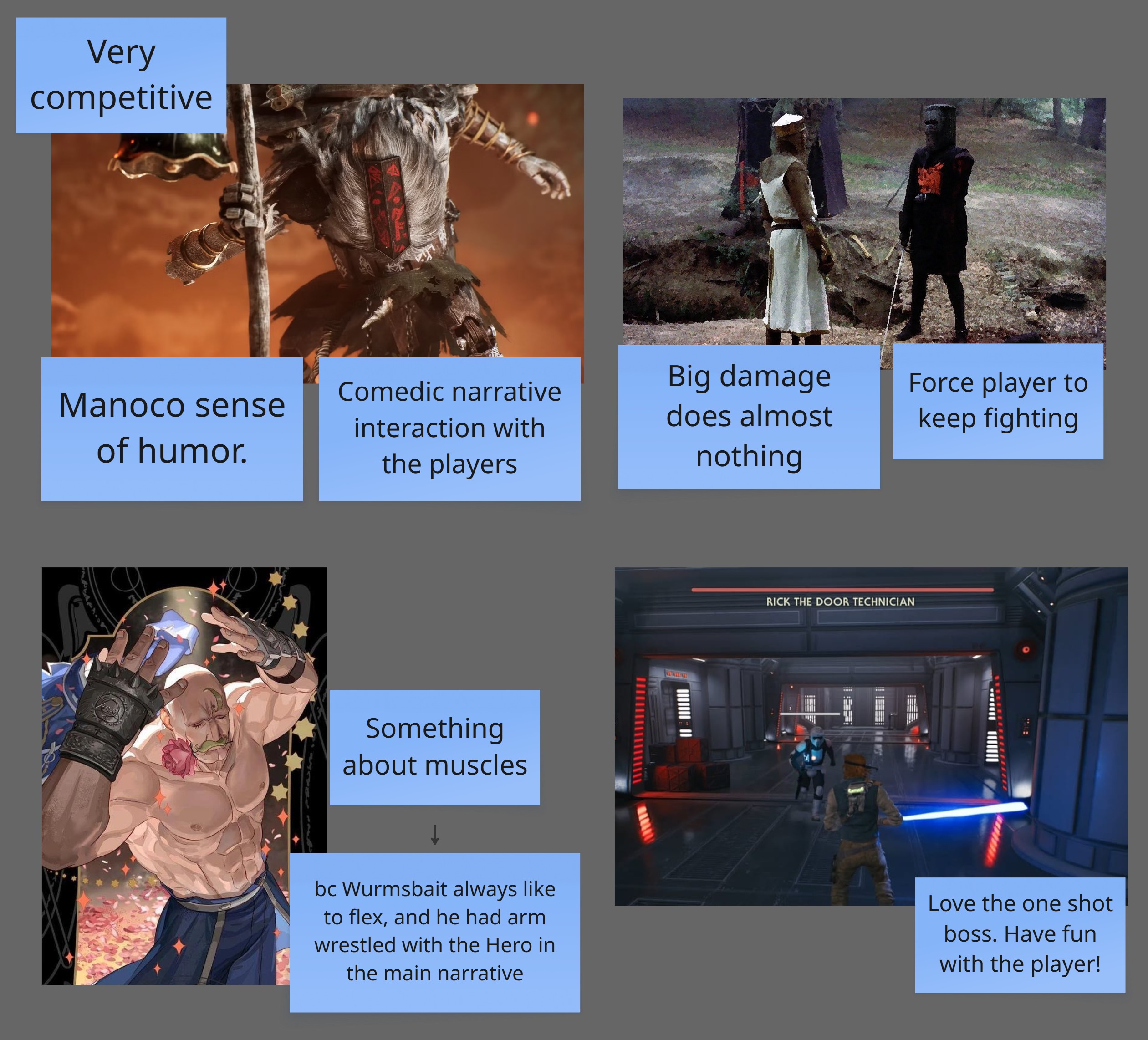
Ideation reference

Ideation

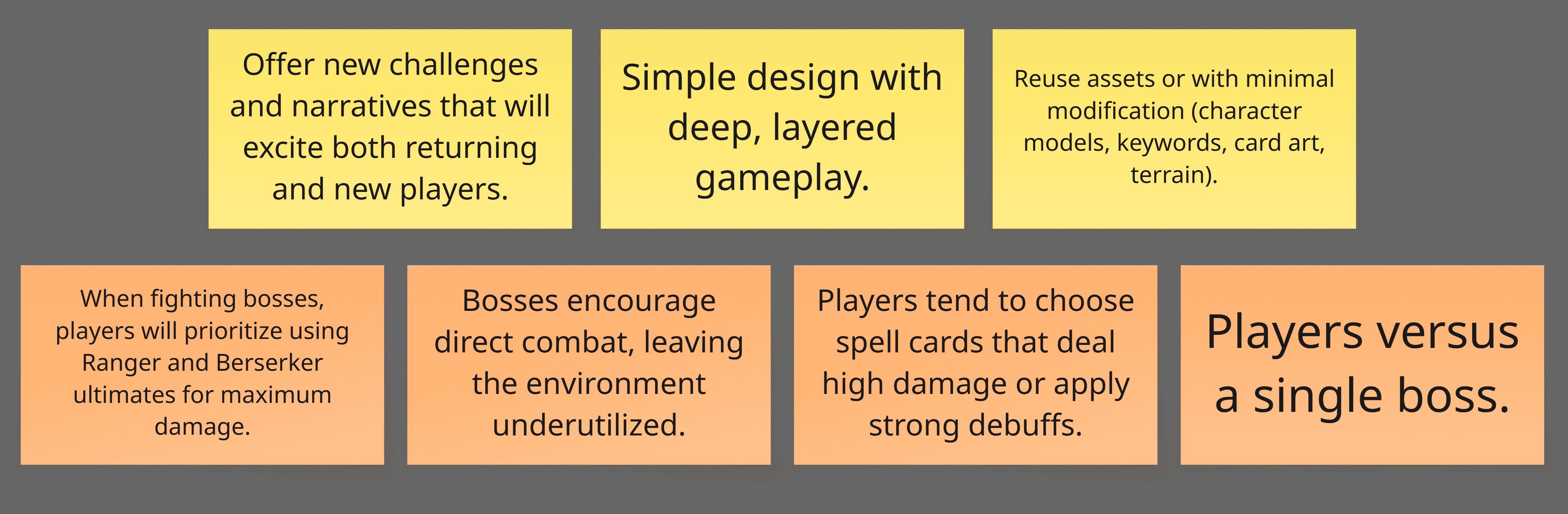
Design goals:

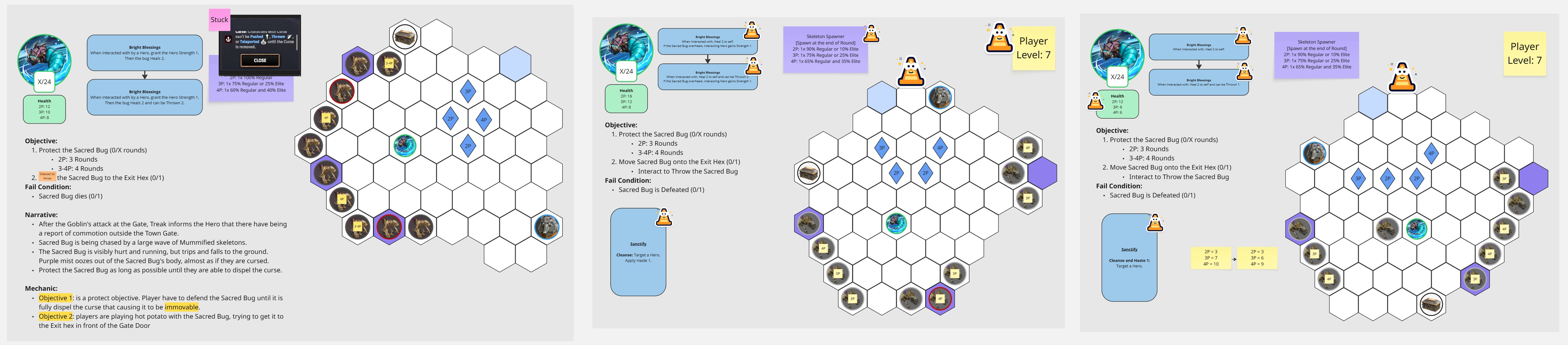
  • Set up the narrative premise for the DLC campaign.
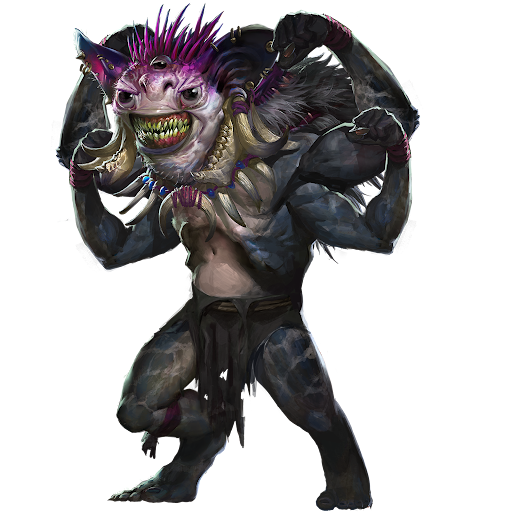
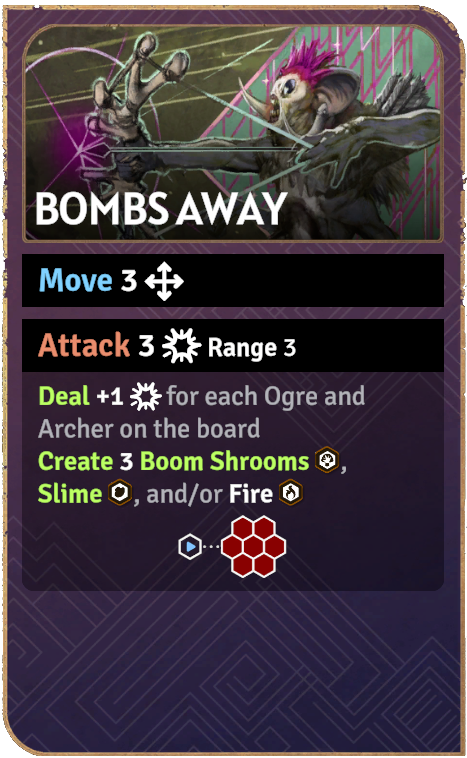
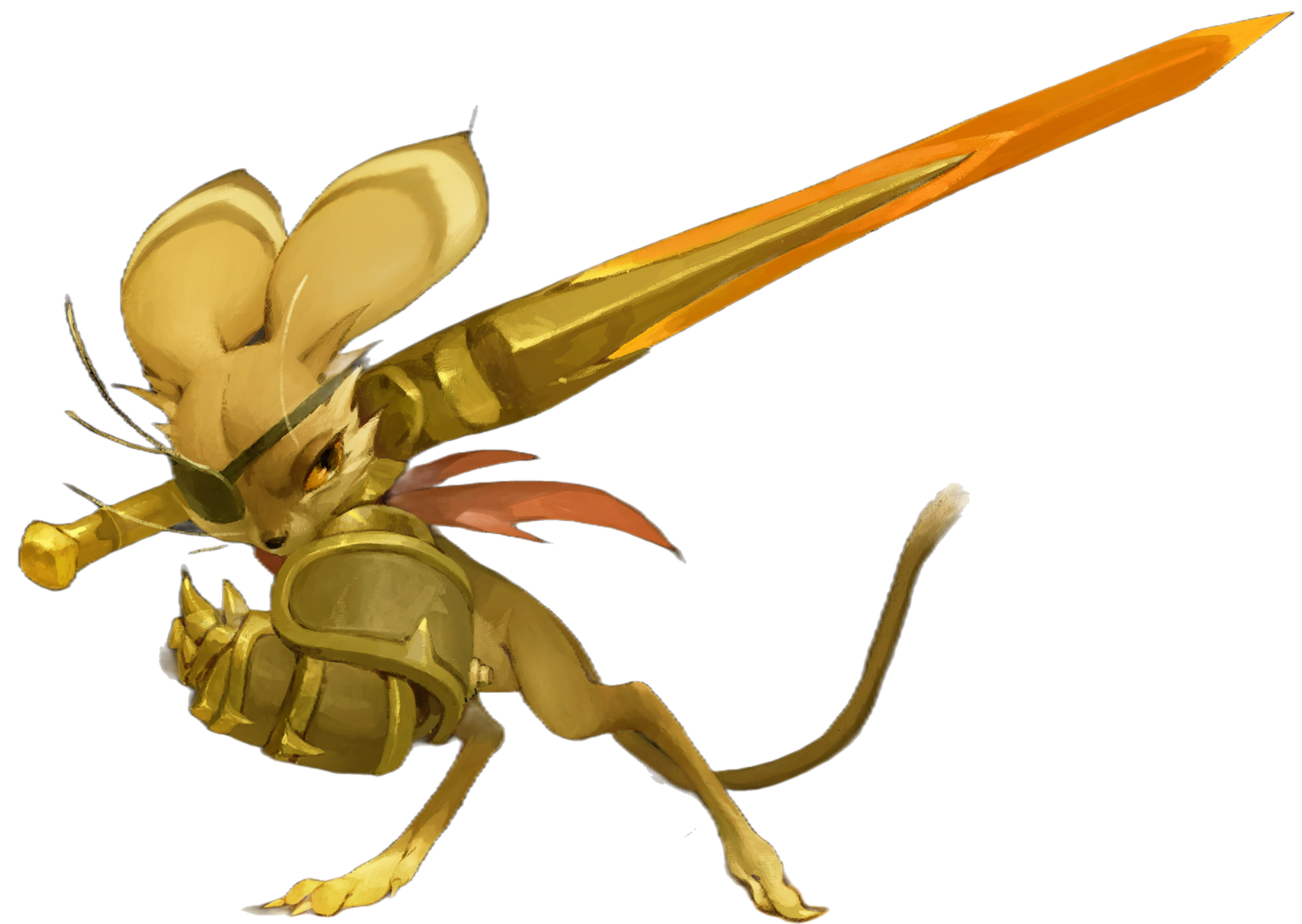
  • Introduce the new Ally and Monster.
  • Offer a fresh strategy uncommon to the main game.

Defined the encounter's map shape, quest, and objectives, and built the enemy lineup and starting positions. Wrote the narrative alongside the design so the story drives the encounter, giving players a reason to care about the new Ally and a clear sense of the Monster's threat.
Paper Prototype and Implementation

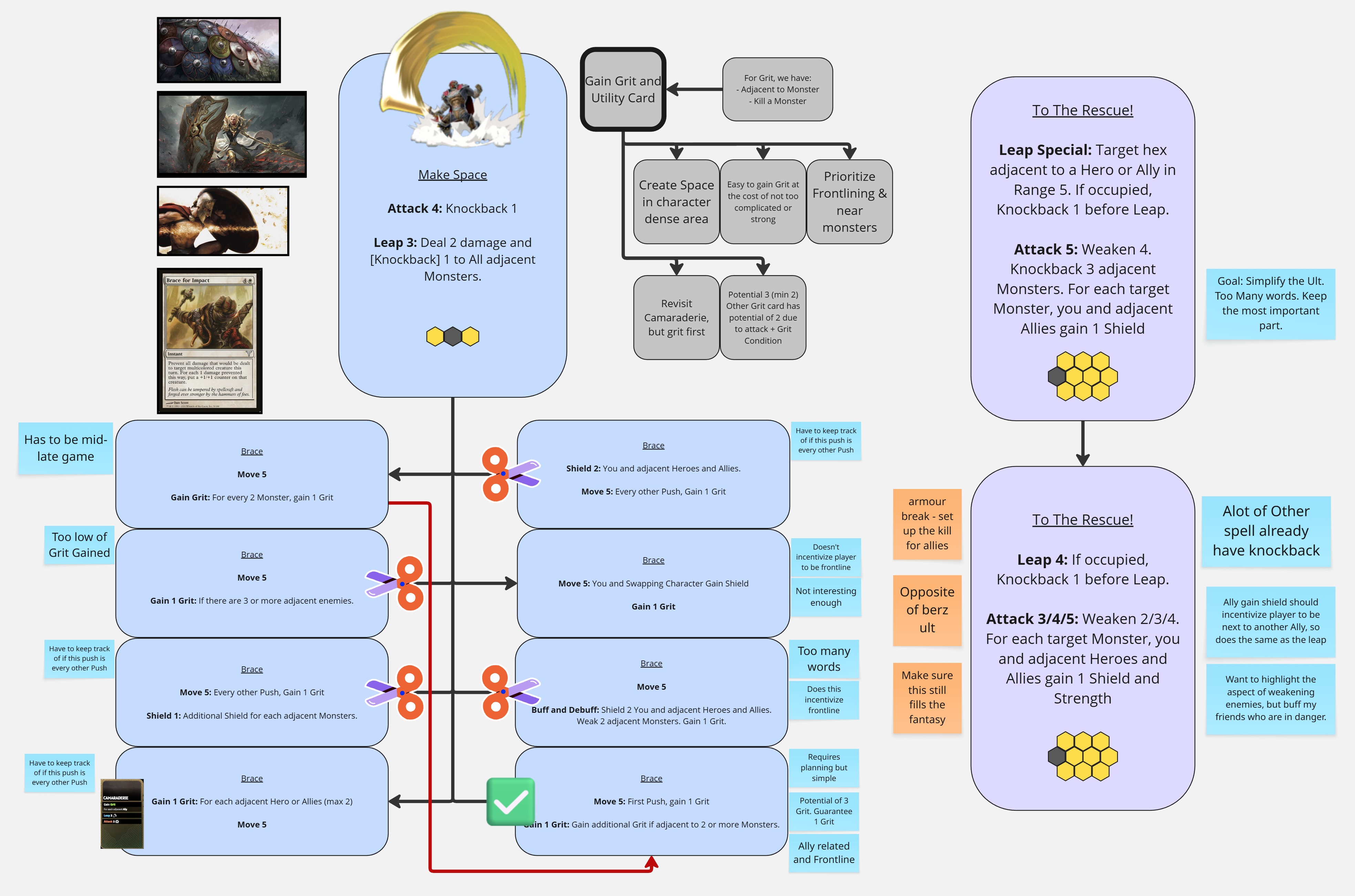
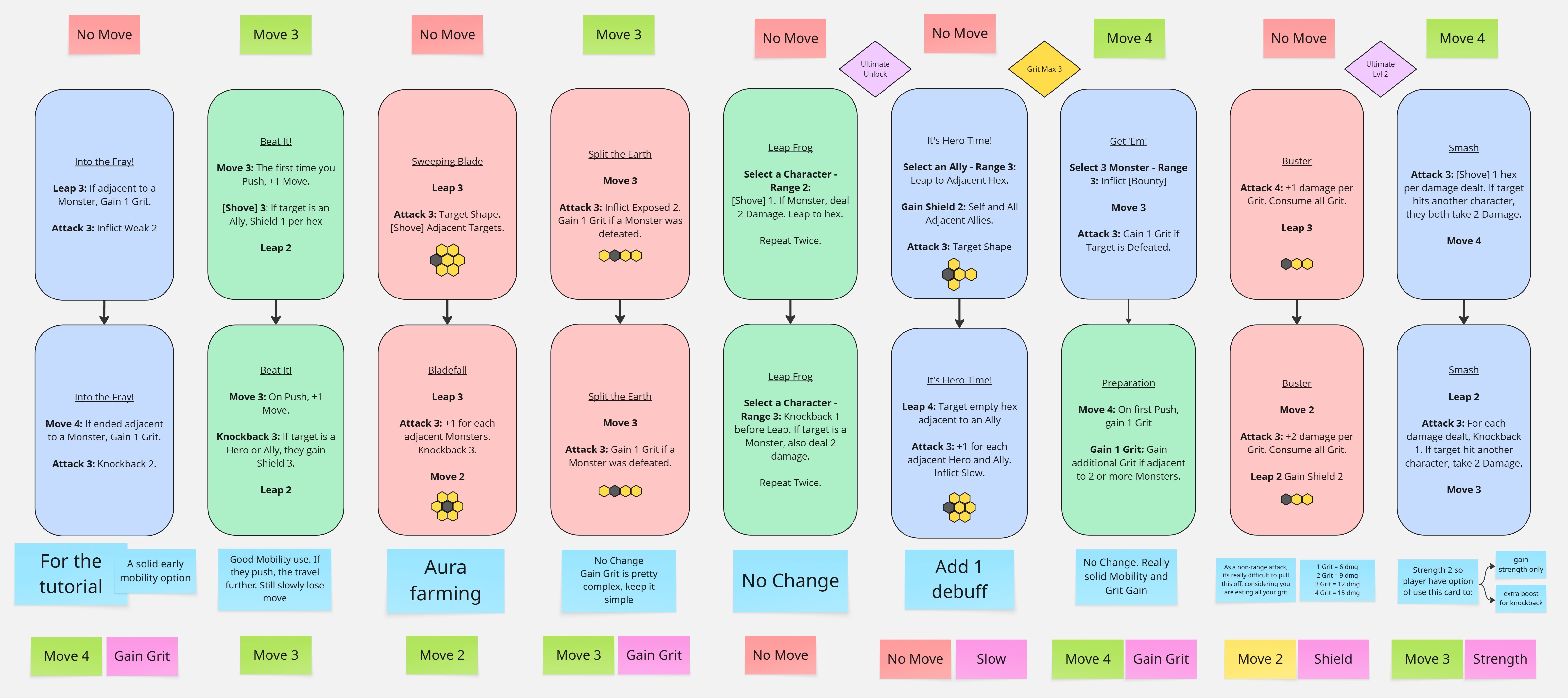
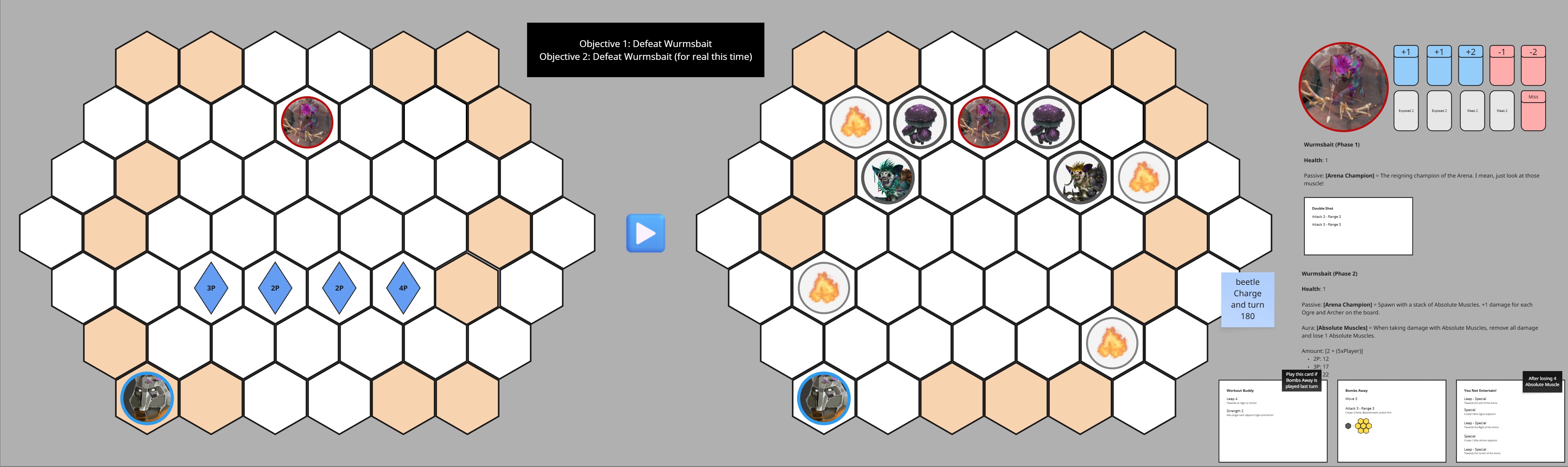
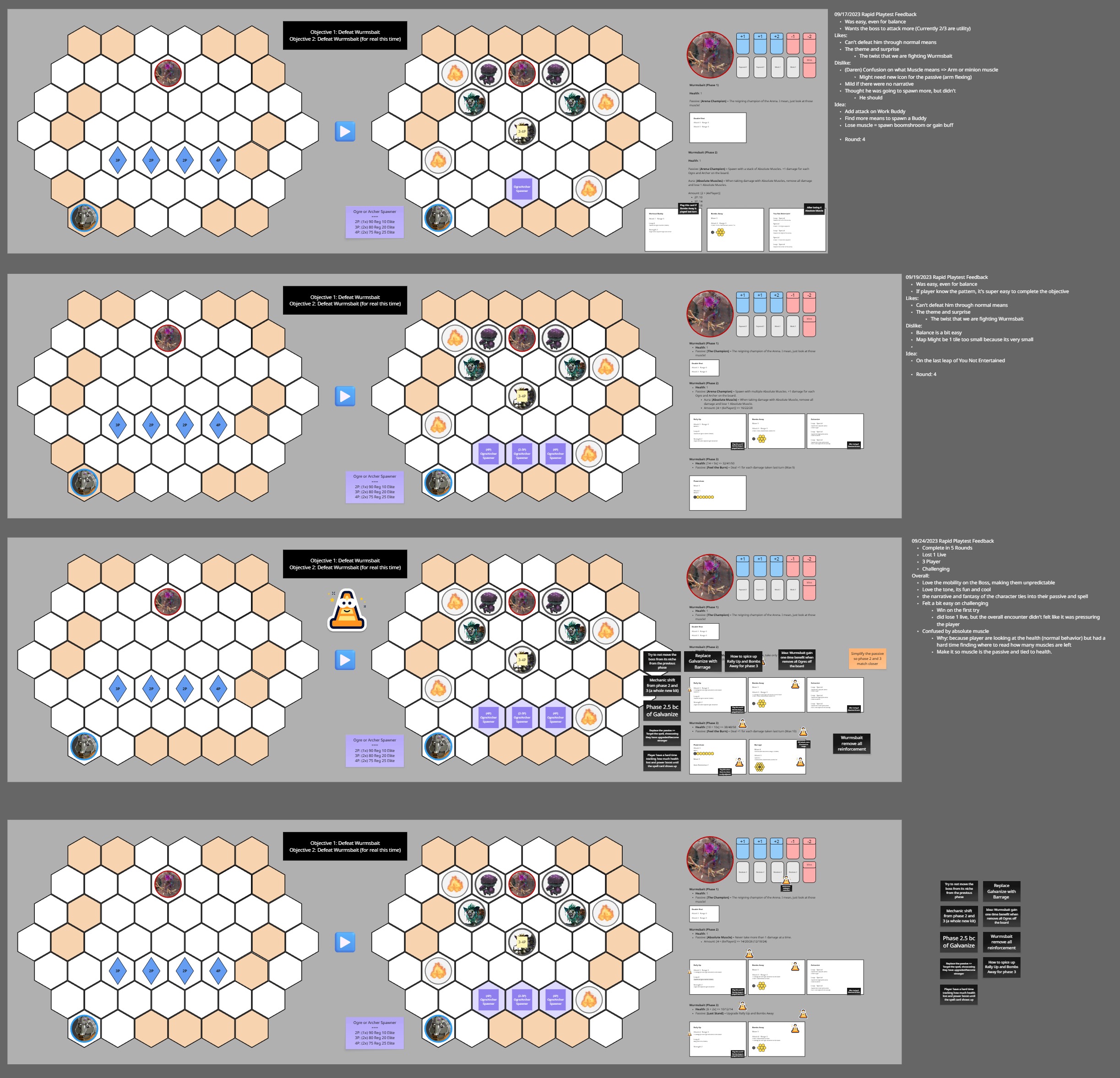
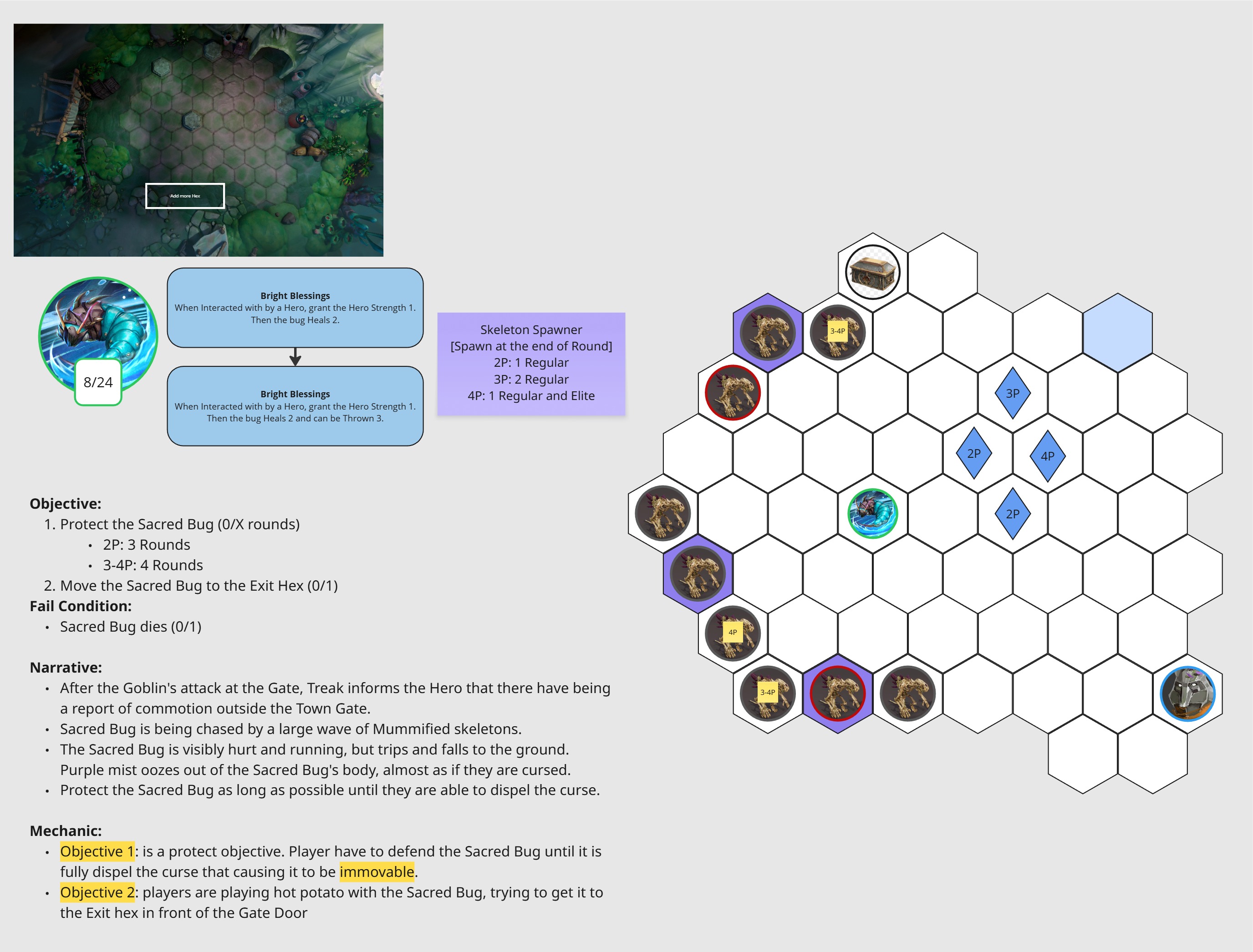
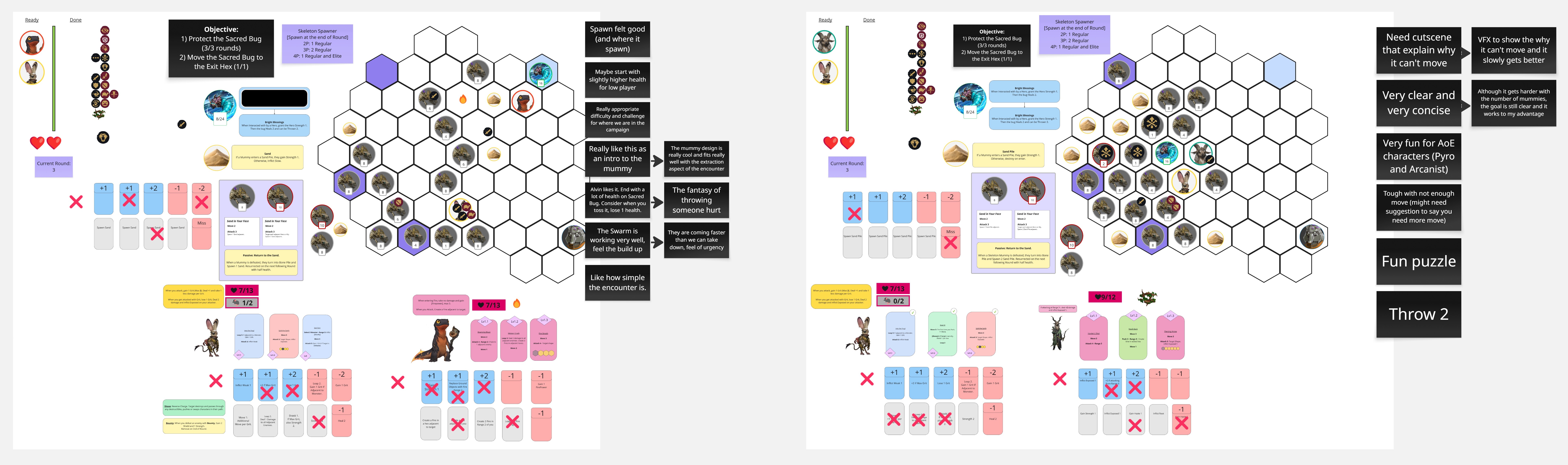
Prototyped the encounter through remote paper playtests on Miro, refining mechanics with each round of feedback.

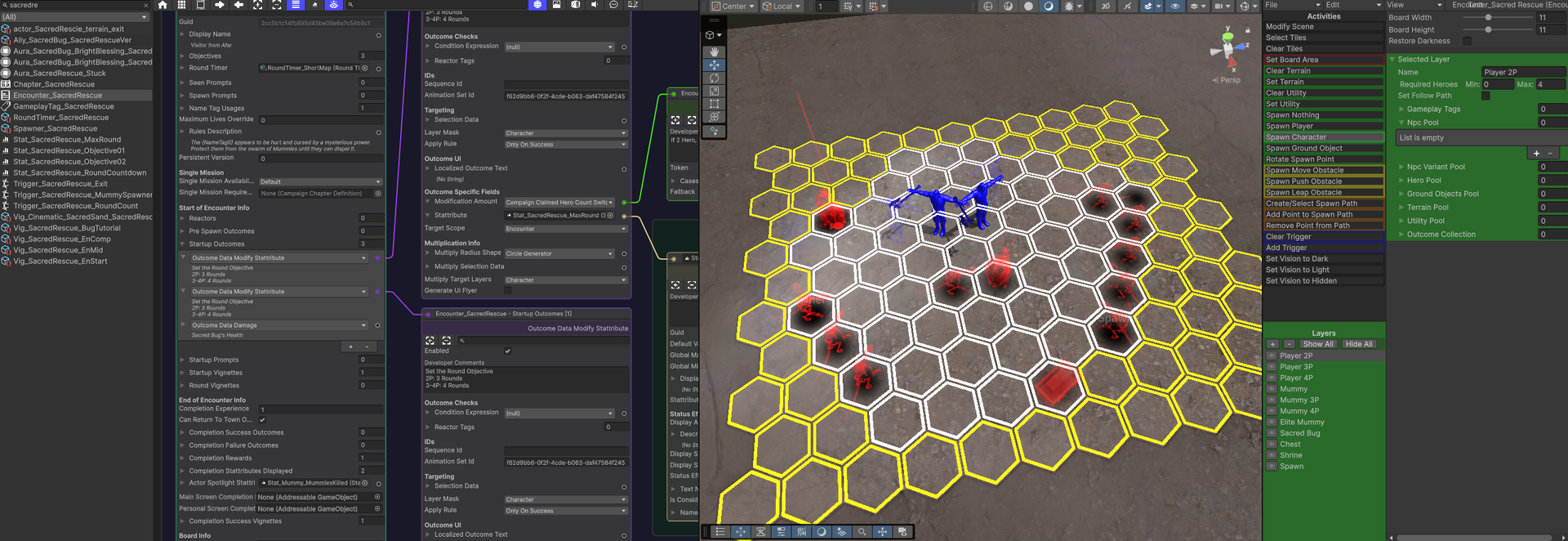
Then built it in-engine with in-house tools and scripts to create a playable version for team-wide testing.

Paper playtest reference
Sacred Rescue implementation reference

Iteration and Polish

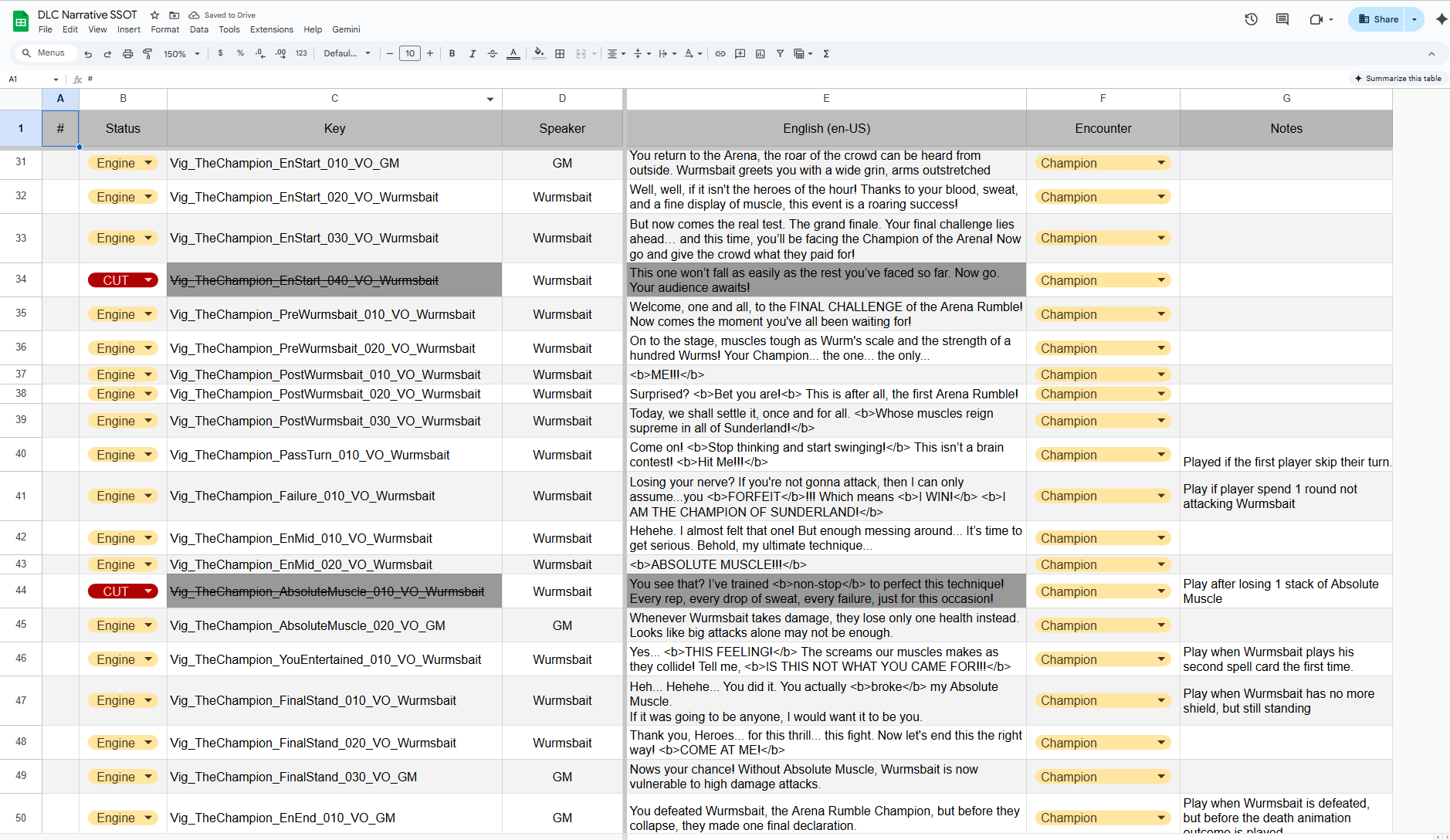
Debug code, wire up animation and VFX hookups, and write the encounter's narrative and tutorials. Then keep gathering feedback and iterating as more team-wide playtests are run.

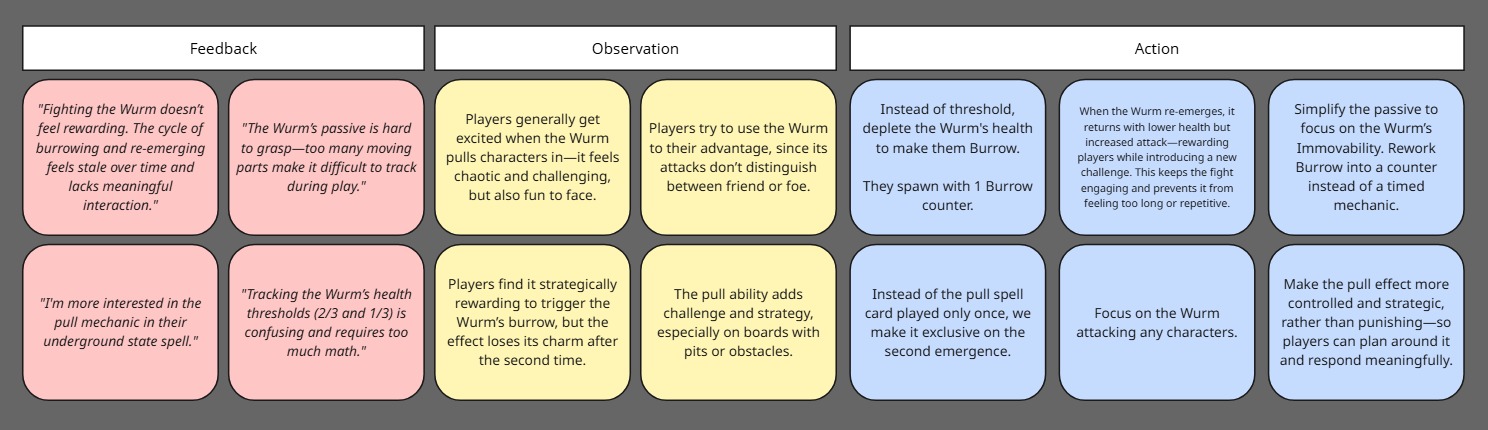
Iteration reference
PRODUCT RESULT

Visitor From Afar

Type: Defense & Extraction

Kick off the new DLC mini-campaign with its first mission, featuring the debut of a new Ally and a fearsome new Monster! Defend against the horde of incoming monsters, and extract the injured ally.

Visitor From Afar screenshot

With the Sandstone wall in place, Monsters are forced to travel around it, exhausting their movement.

Leverage the Mummy's ability to turn into a Sandstone obstacle, forming a wall that protects your team from the advancing horde.

CINEMATIC & CUTSCENE DESIGN

Cinematic Production

Cinematic Production screenshot

In Sunderfolk, tight budgets and a demanding schedule shaped how every cinematic was produced. The majority are built by repurposing existing gameplay animation and finding creative ways to tell a compelling story — reserving costly, custom one-off animation only for the key narrative moments.

Low Budget

100% Gameplay Assets

Medium Budget

75% Gameplay Assets and 25% Custom Animation

High Budget

100% Custom Animation

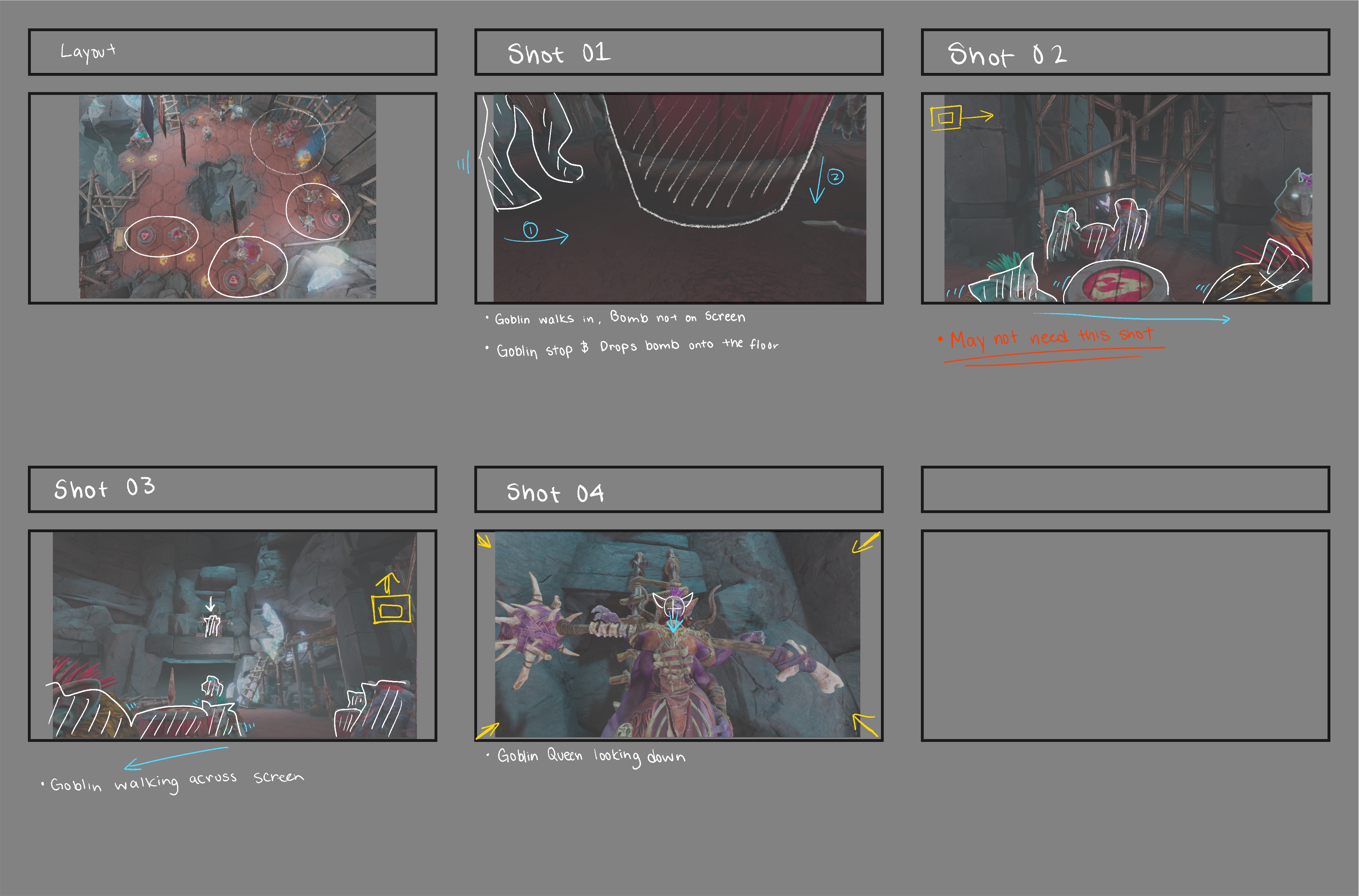
Storyboard

Cinematic storyboard preview

After identifying the key narrative beats of each cinematic cutscene, I head into the game space to scout potential locations, then draw storyboards — complete with notes and iterations — before executing the full development of the cinematic.

DESIGN PROCESS

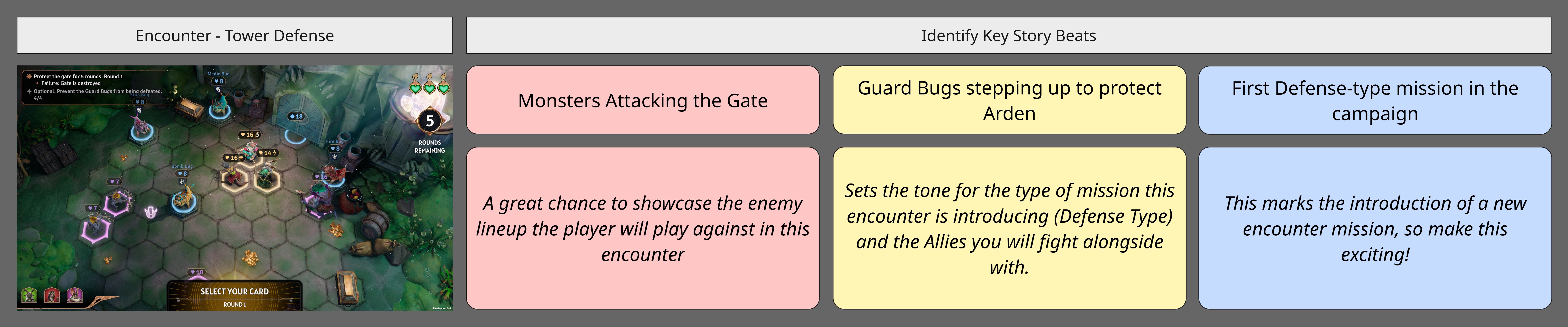
Pre-Production & Planning

Analyze the encounter's narrative and gameplay elements to pinpoint the key story beats, then develop concepts that raise the stakes and give players a glimpse of the challenges ahead.

Pre-production and planning reference

Research & Storyboarding

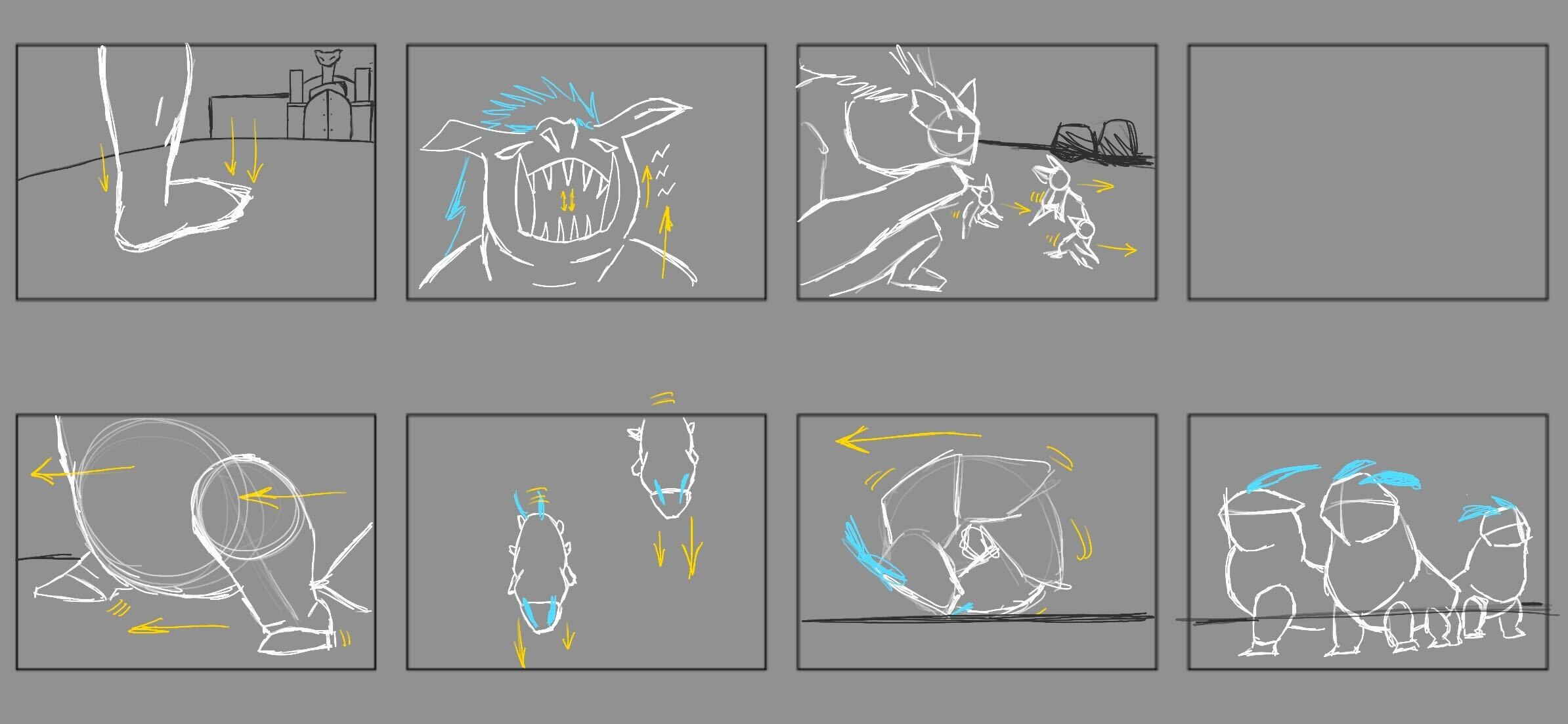
Survey the assets already available — gameplay animation, environment set dressing, and VFX — and shape them into a narrative pitch that supports the established key story beats. Design the storyboard to carry players through a smooth, natural transition from gameplay into the cutscene and back to gameplay.

Bug Roll Out storyboard

Kitbashing & First Draft

Working from the storyboard, build a first draft — or prototype — directly in the engine using only existing gameplay animation, and lock in a shot list that keeps the camera clear of any unpolished areas of the environment.

Author in-engine animation to move characters naturally through the game space, then collaborate closely with the Animation, 3D, and VFX teams to continuously refine and polish the cinematic.

Final Polish

Through iteration and polish alongside the Animation, 3D, and VFX teams, the result is a low-budget cinematic built entirely from in-game assets — the same animation, VFX, and models players already see in the game.

Clever camera angles, deliberate character blocking, and careful pre-planning let the team deliver a low-cost cinematic that still lands its narrative beat — freeing up hours for the higher-priority polish elsewhere in the game.